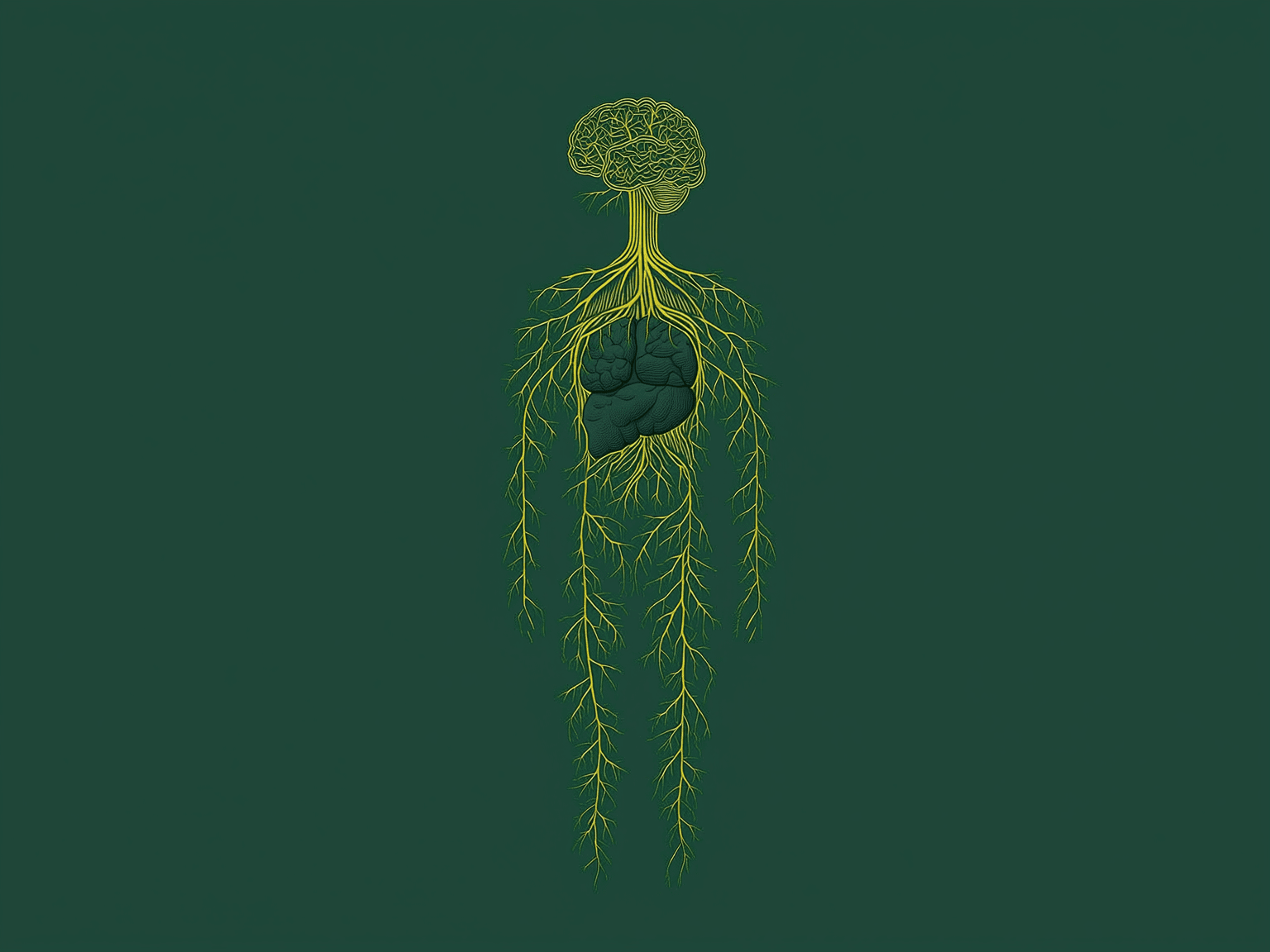
Depression is not always a serotonin problem. Increasingly, the evidence points to something more systemic — a state of chronic low-grade inflammation that begins in the body and ends in the mind. Understanding this connection does not diminish the reality of mental illness. It expands what we know about its causes — and, crucially, what we can do about them.
The Cytokine Theory of Depression
In the early 1990s, researchers began noticing something peculiar. Patients receiving interferon-alpha therapy — a treatment for hepatitis C that powerfully activates the immune system — frequently developed severe depression, even when they had no prior history of it. The depression resolved when the treatment ended. The immune activation, not any psychological cause, appeared to be triggering the mood disorder directly.
This observation launched decades of research into what is now called the cytokine theory of depression. Cytokines are immune signalling molecules, and when the body is under inflammatory stress — whether from infection, injury, chronic disease, or diet — it produces pro-inflammatory cytokines including IL-6, TNF-alpha, and IL-1beta. These molecules do not respect the boundary of the blood-brain barrier. They cross it, activate the brain's own immune cells (microglia), and alter the very neurotransmitter systems that regulate mood.
In a state of sustained immune activation, tryptophan — the amino acid precursor to serotonin — is redirected away from serotonin production and toward the kynurenine pathway. The result is lower serotonin availability and the accumulation of kynurenine metabolites, some of which are neurotoxic. This mechanism may explain why antidepressants, which target serotonin reuptake, fail in a significant proportion of patients: if the underlying driver is inflammatory, addressing serotonin alone is treating a symptom rather than a cause.
Diet as a Driver of Inflammation
What drives chronic low-grade inflammation in otherwise healthy people? The diet — and specifically, the modern Western diet — is among the most potent and pervasive drivers identified by research.
Refined carbohydrates and added sugars trigger repeated spikes in blood glucose and insulin, promoting oxidative stress and the production of inflammatory cytokines. Industrial seed oils — soybean, canola, sunflower, corn oil — are rich in omega-6 linoleic acid, which competes with anti-inflammatory omega-3s for the same metabolic enzymes. When omega-6 to omega-3 ratios exceed roughly 4:1 (the modern Western diet averages 15-20:1), the inflammatory balance tips decisively toward pro-inflammatory signalling.
Ultra-processed foods, which now account for more than 50% of calories in many Western countries, contain combinations of refined carbohydrates, industrial seed oils, and food additives that appear to synergistically promote gut permeability, microbial dysbiosis, and systemic inflammation — all of which ultimately affect the brain.
The Anti-Inflammatory Diet: What the Evidence Shows
The Mediterranean diet — rich in vegetables, legumes, fish, olive oil, nuts, and whole grains, with moderate red wine and limited processed foods — is the most rigorously studied dietary pattern for its effects on inflammation and mental health. Multiple large cohort studies have found that adherence to a Mediterranean-style diet is associated with significantly reduced risk of depression, and clinical trials have now demonstrated that dietary intervention can reduce depressive symptoms in people with clinical depression.
The SMILES trial (2017), published in BMC Medicine, randomised depressed adults to either dietary support (a modified Mediterranean diet) or social support. Those in the dietary group showed significantly greater reductions in depression scores. Thirty-two percent achieved remission, compared to eight percent in the control group. The food was the medicine.
Key Anti-Inflammatory Foods
**Extra virgin olive oil** contains oleocanthal, a polyphenol that inhibits the same COX enzymes targeted by ibuprofen. It is one of the few foods with a documented anti-inflammatory mechanism comparable to pharmaceutical intervention.
**Oily fish** — salmon, sardines, mackerel, anchovies — provide EPA and DHA, the long-chain omega-3s that directly modulate neuroinflammation and support the production of specialised pro-resolving mediators (SPMs) that actively resolve inflammatory states.
**Colourful vegetables and berries** supply polyphenols and carotenoids that reduce oxidative stress, one of the downstream drivers of chronic inflammation.
**Nuts and seeds** — particularly walnuts, flaxseeds, and chia seeds — provide fibre, polyphenols, and plant-based omega-3s.
Practical Application
The goal is not to eliminate all inflammatory foods overnight but to shift the ratio. Each meal that includes olive oil, oily fish, leafy greens, and fermented foods is a meal that is actively reducing the inflammatory load on the brain. Each meal that replaces a processed food with a whole one is a small, cumulative vote for a calmer, less inflamed nervous system.
Mood, attention, and mental clarity are not fixed. They are metabolic states — and metabolic states are, to a meaningful degree, shaped by what you eat.
Brain Pantry
Science-backed. Nature-rooted. Gut-led.