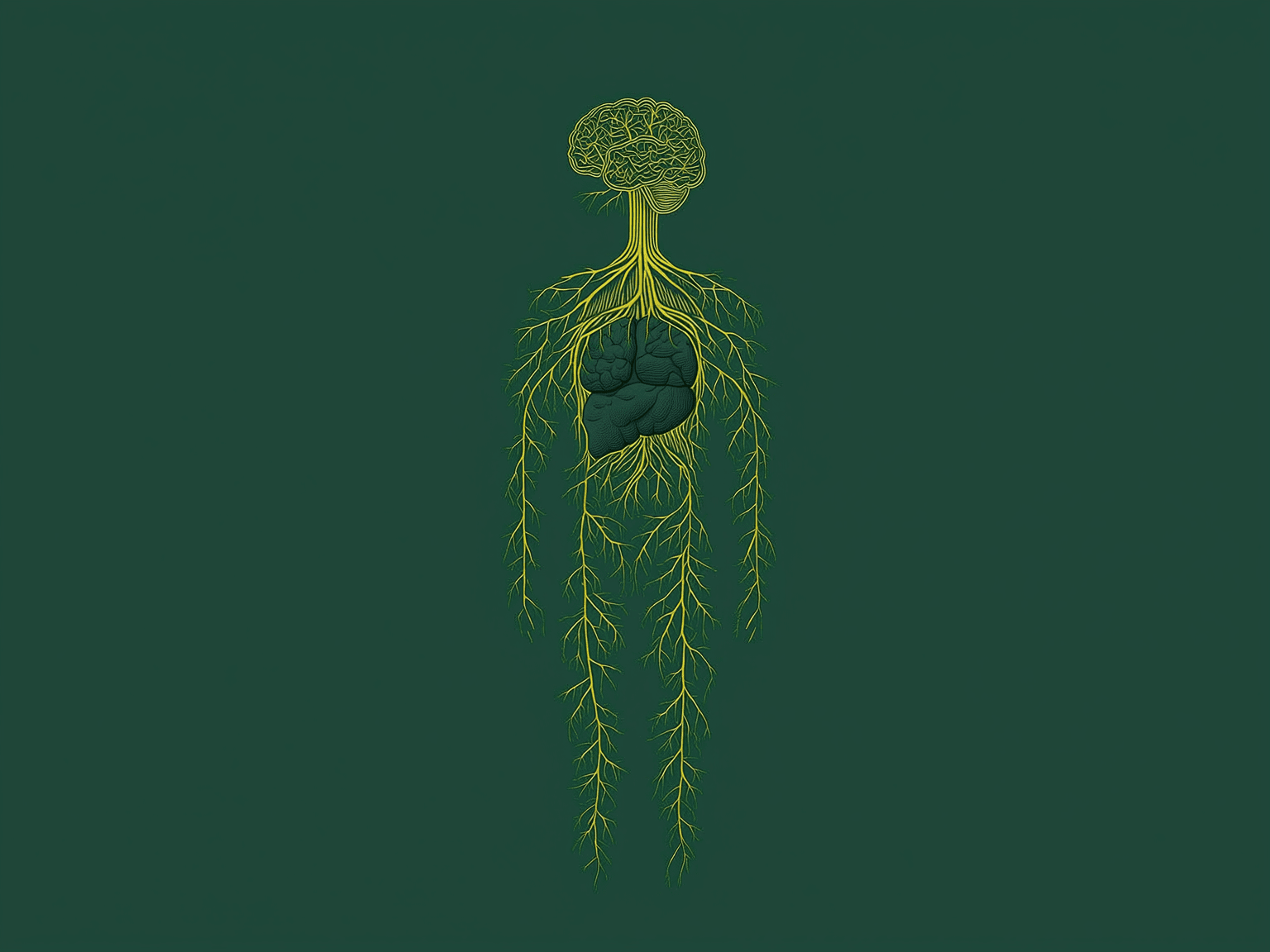
While you sleep, something extraordinary happens in your gut. The microbiome cycles through its own rhythms, the gut wall repairs itself, and signals travel up the vagus nerve that will shape your mood the following day. Sleep is not a passive state. It is one of the most metabolically active periods in the gut-brain relationship — and what you eat in the hours before bed, and how reliably you sleep, shapes the conversation between your belly and your brain more than most people realise.
The Gut Has Its Own Clock
Every organ in the body operates on a circadian rhythm — a roughly 24-hour cycle driven by the master clock in the brain's suprachiasmatic nucleus, which takes its primary cue from light. But the gut has its own peripheral clocks, and they are sensitive not just to light but to the timing of meals.
When you eat at regular times, the gut's microbial communities synchronise accordingly. Specific bacterial populations peak at different points in the 24-hour cycle, performing different metabolic functions. Butyrate-producing bacteria are more active during the fasting periods of sleep, producing the SCFAs that maintain gut barrier integrity overnight. Disrupt the sleep-wake cycle — through shift work, late-night eating, or irregular sleep — and these microbial rhythms fall out of sync. The downstream effects include increased gut permeability, altered neurotransmitter production, and dysregulated stress hormone release.
Tryptophan, Serotonin, and Melatonin: The Nighttime Chain
The chemistry of sleep and the chemistry of mood are intimately linked through a single amino acid: tryptophan. Tryptophan, found in protein-rich foods including turkey, eggs, dairy, nuts, and seeds, is the precursor to both serotonin and melatonin — the brain's primary sleep-regulating hormone.
During the day, tryptophan is converted into serotonin in the gut and brain. As evening falls and light diminishes, the pineal gland converts serotonin into melatonin, preparing the body for sleep. The gut's role in this process is substantial: 90 percent of the body's serotonin is produced in the gastrointestinal tract, and the health of the gut microbiome directly influences tryptophan metabolism.
A disrupted microbiome — depleted in diversity, low in butyrate-producing species — diverts tryptophan away from the serotonin-melatonin pathway and toward the kynurenine pathway instead, producing inflammatory metabolites rather than mood-stabilising and sleep-regulating ones. This is part of why gut dysfunction so often co-occurs with sleep disruption, and why both so frequently co-occur with anxiety and depression.
What to Eat (and When) for Better Sleep and a Calmer Brain
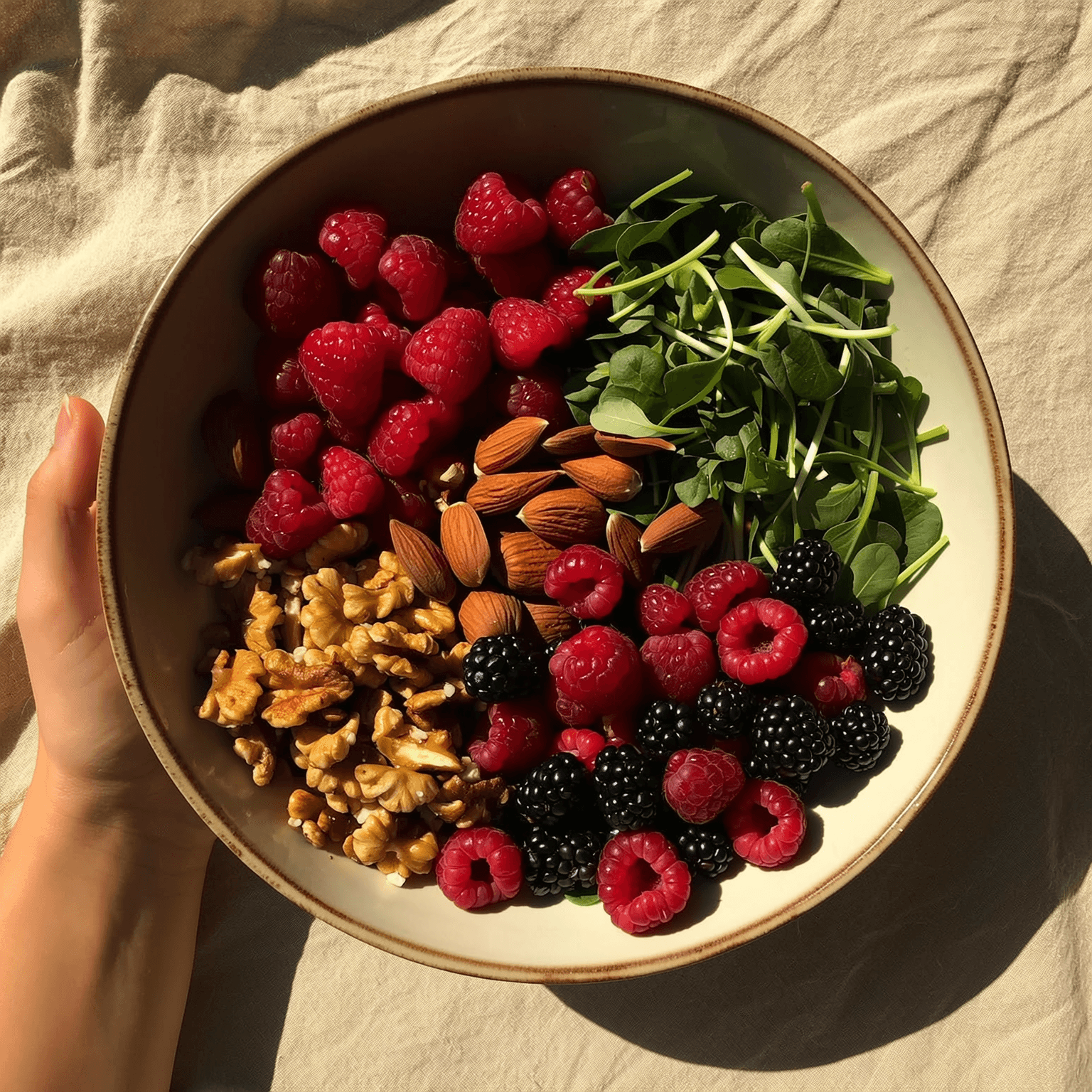
**Tryptophan-rich foods in the evening** — a small serving of full-fat dairy, a handful of walnuts, eggs, or turkey — support the overnight conversion to melatonin. Walnuts are among the few foods that contain melatonin directly, and they are also rich in ALA omega-3s and polyphenols that support gut health.
**Fermented foods at any point during the day** diversify the microbial population responsible for tryptophan metabolism. Consistent consumption of yoghurt, kefir, or kimchi supports the baseline microbial health that makes the nighttime chemistry work.
**Avoiding large meals and alcohol in the final two to three hours before sleep** reduces the metabolic burden on the gut during its critical overnight repair window. Alcohol in particular, while initially sedating, suppresses REM sleep and disrupts gut barrier integrity, leading to measurably worse sleep quality and elevated inflammatory markers the following morning.
**Magnesium-rich foods** — dark leafy greens, pumpkin seeds, dark chocolate — support the relaxation of the nervous system and are directly involved in melatonin synthesis. Magnesium deficiency, which is common in populations eating low-vegetable diets, is associated with both poor sleep and elevated anxiety.
The Overnight Repair Window
Fasting during sleep is not merely an absence of eating — it is an active biological process. The gut uses the overnight fasting window to carry out what is called the migrating motor complex: a sweeping wave of muscular contractions that clears debris, bacteria, and undigested material from the small intestine. This process is suppressed by eating and requires sustained fasting to complete.
When late-night eating is habitual, the migrating motor complex is chronically interrupted. The result is an accumulation of bacterial overgrowth in the small intestine — a condition called SIBO (small intestinal bacterial overgrowth) — which is increasingly linked to bloating, brain fog, and mood disruption.
Sleep, it turns out, is when the gut does its housekeeping. Give it the fasting window it needs, feed it well during the day, and what happens in your brain the following morning will reflect the care you took the night before.
Brain Pantry
Science-backed. Nature-rooted. Gut-led.